RURAL REBELLION
Collaborative Projects by Christoph Hesse Architects
Aedes Architecture Forum, Berlin, Germany
26th October, 2024 – 24th January, 2025
Photographers:
Erik-Jan Ouwerkerk
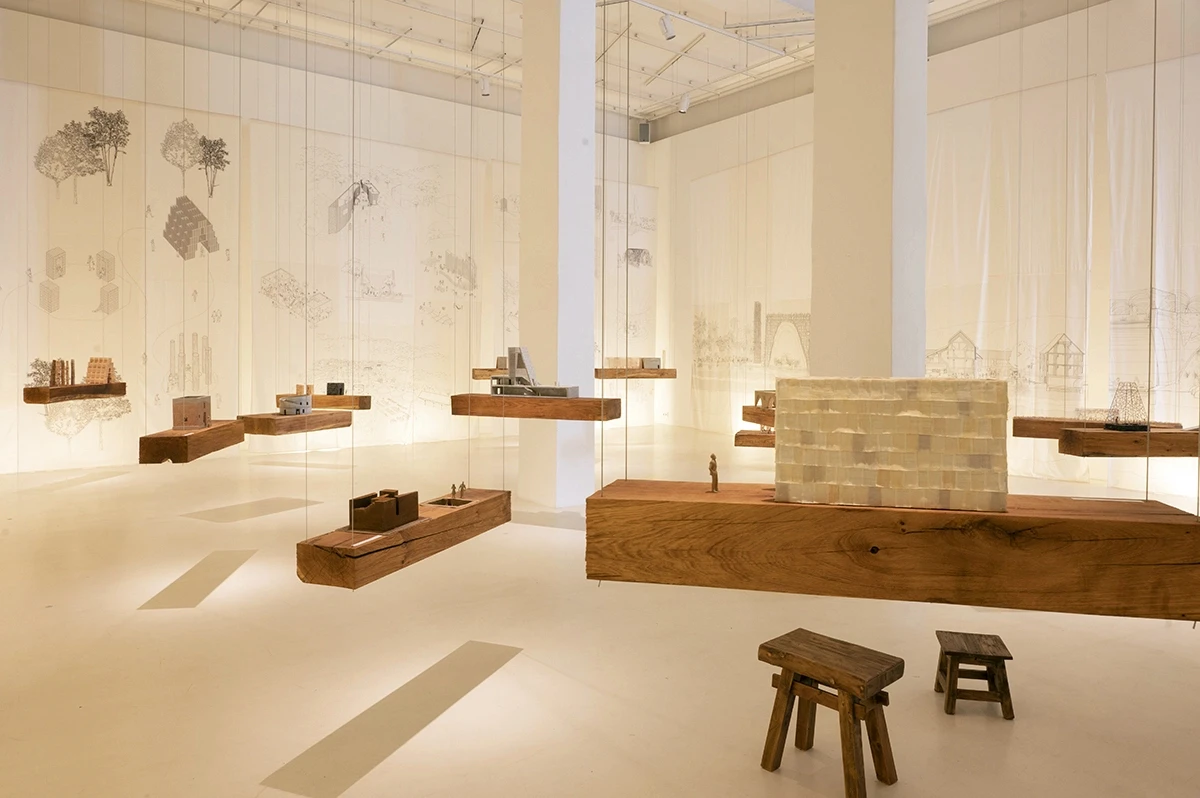
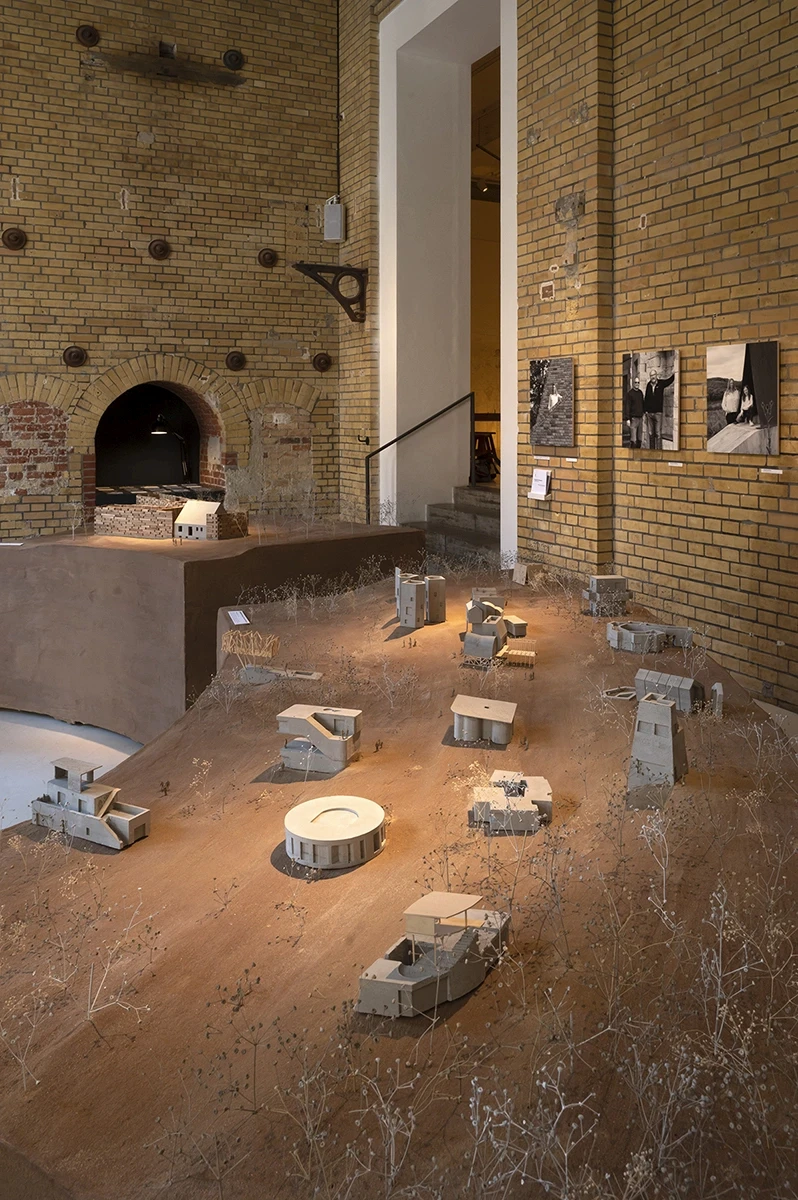
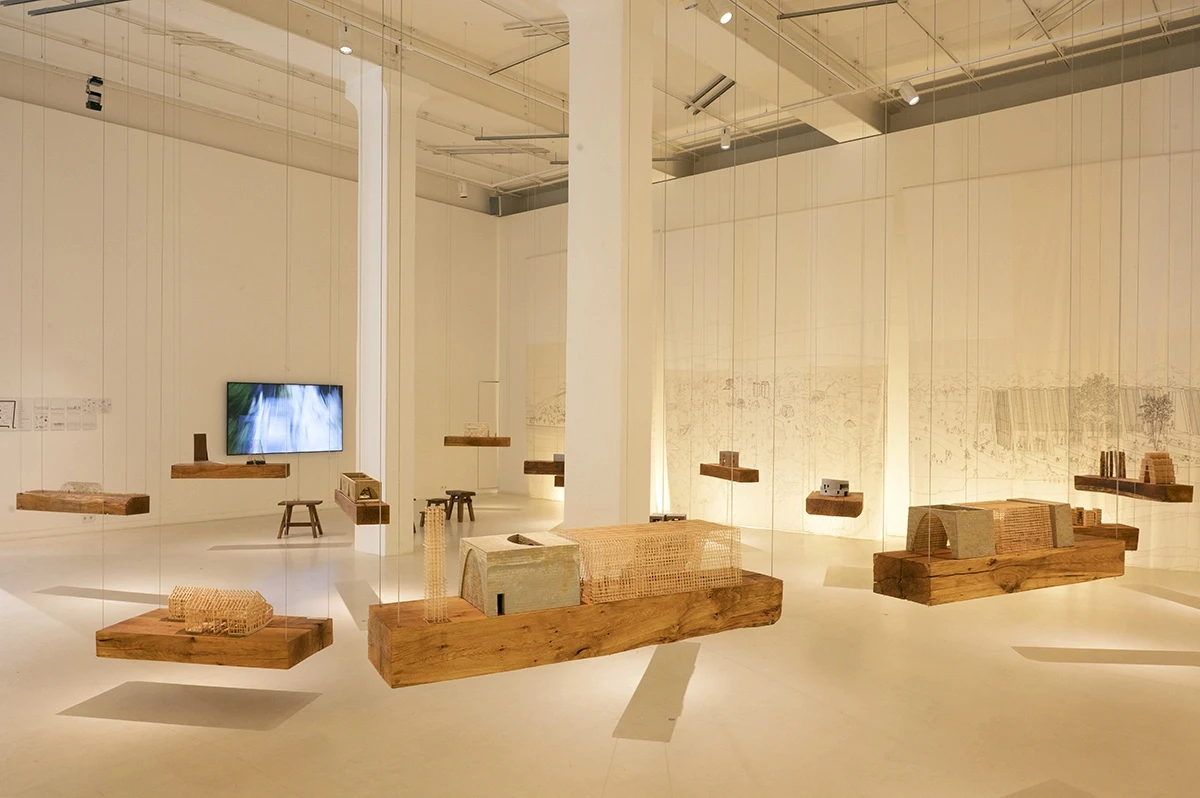
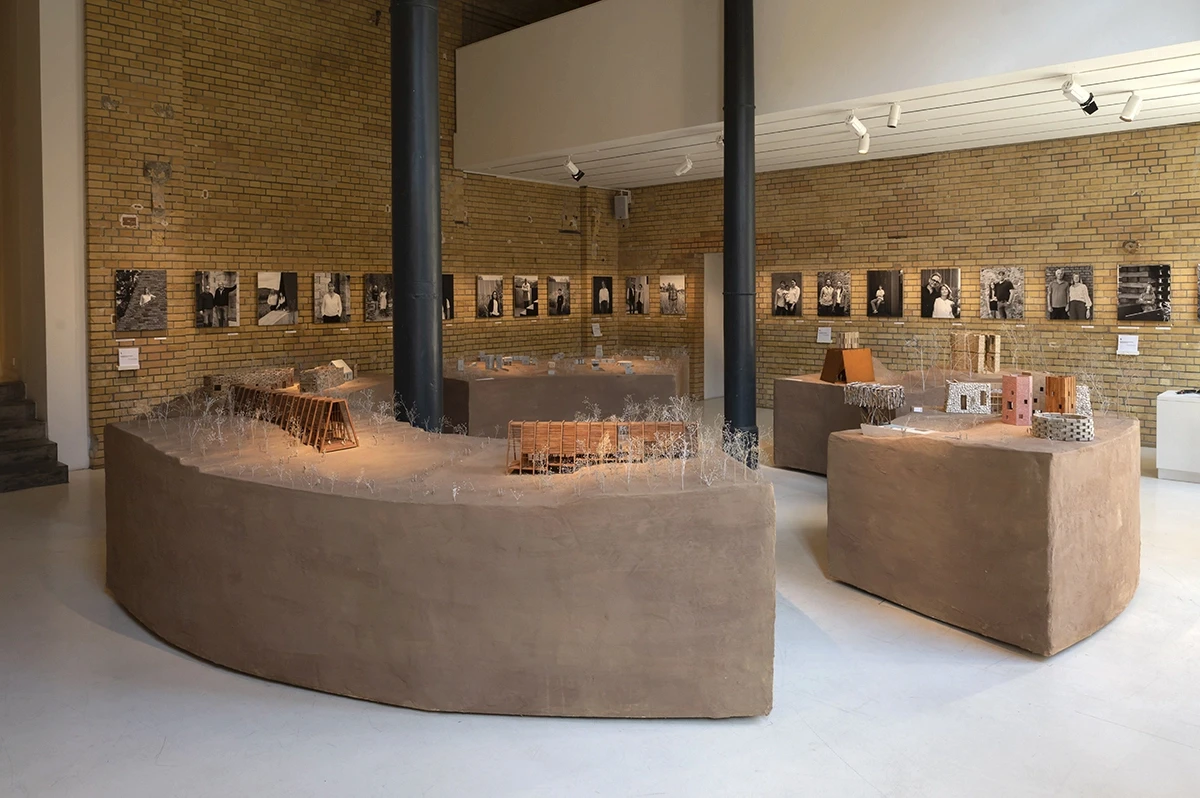
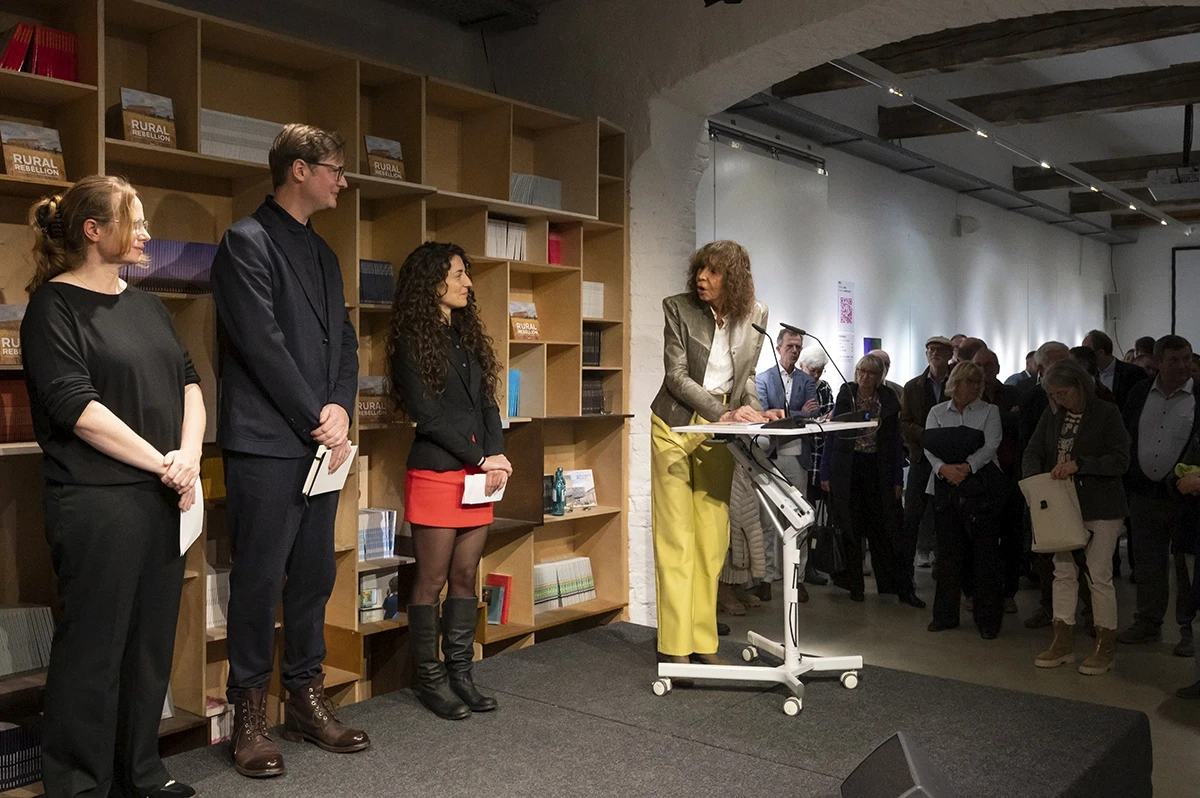
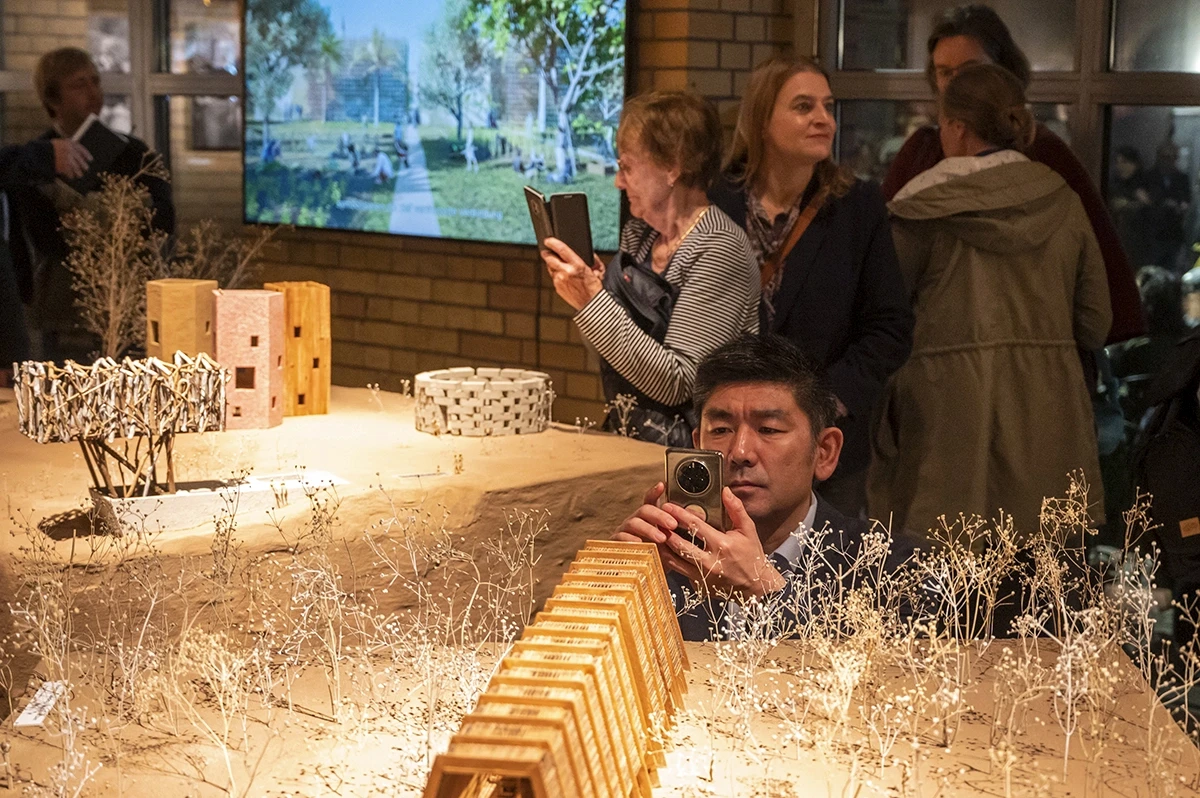
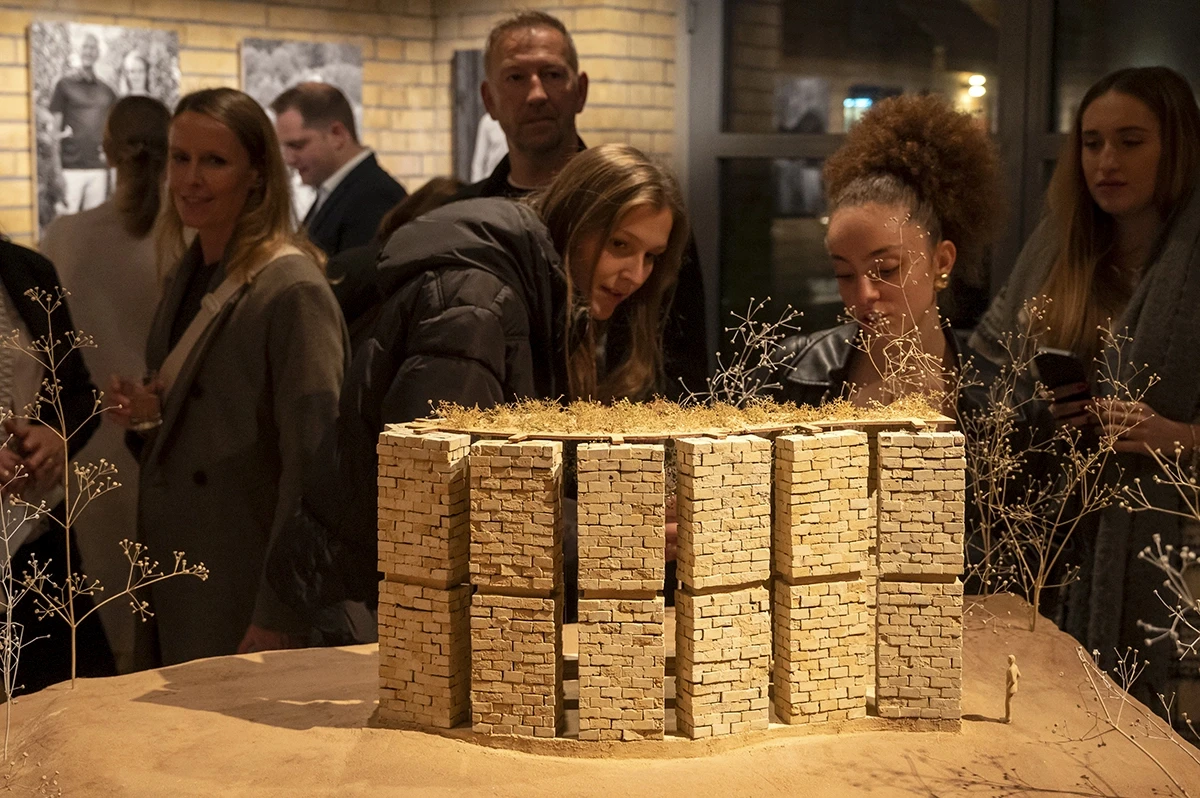
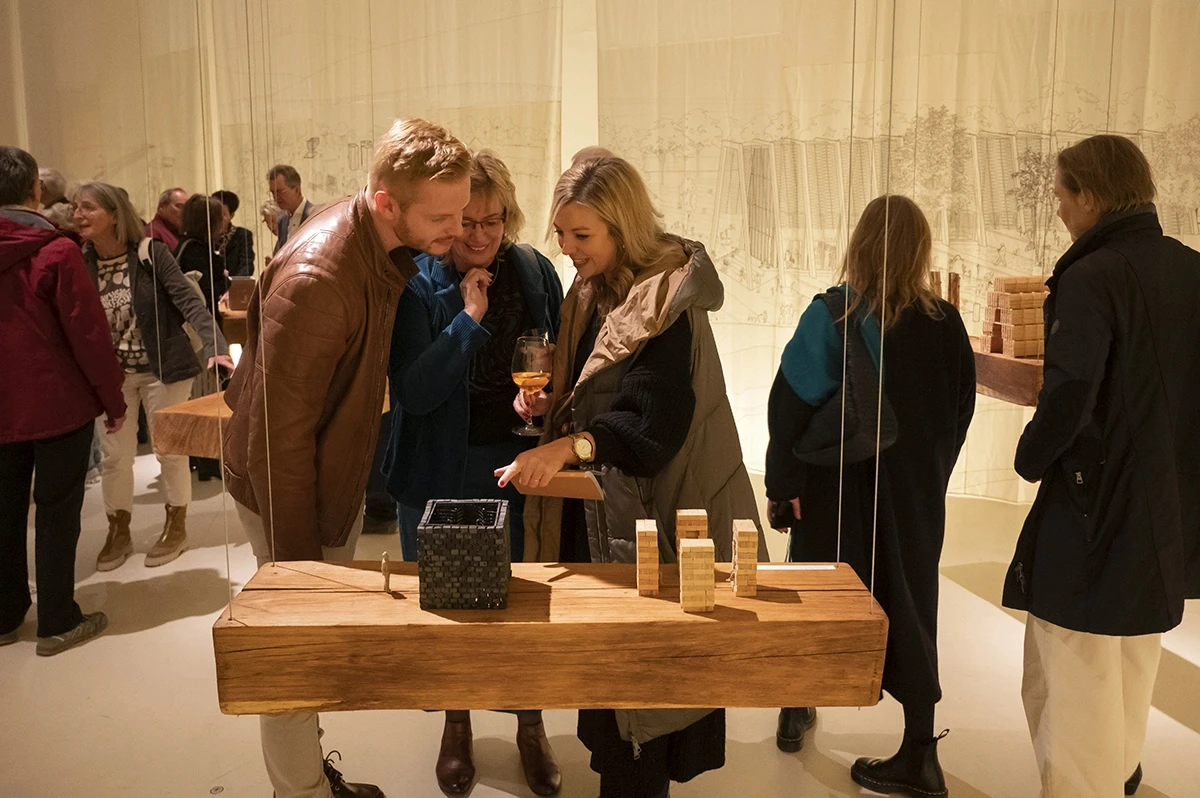
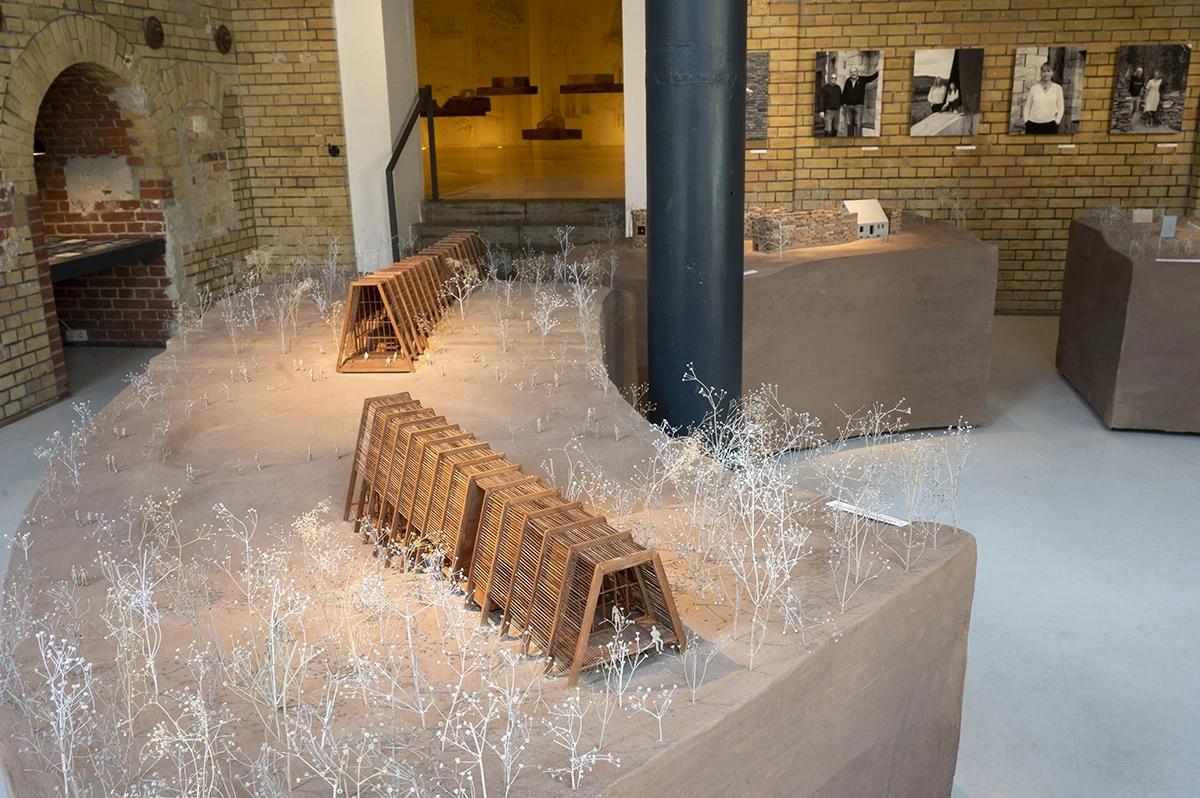
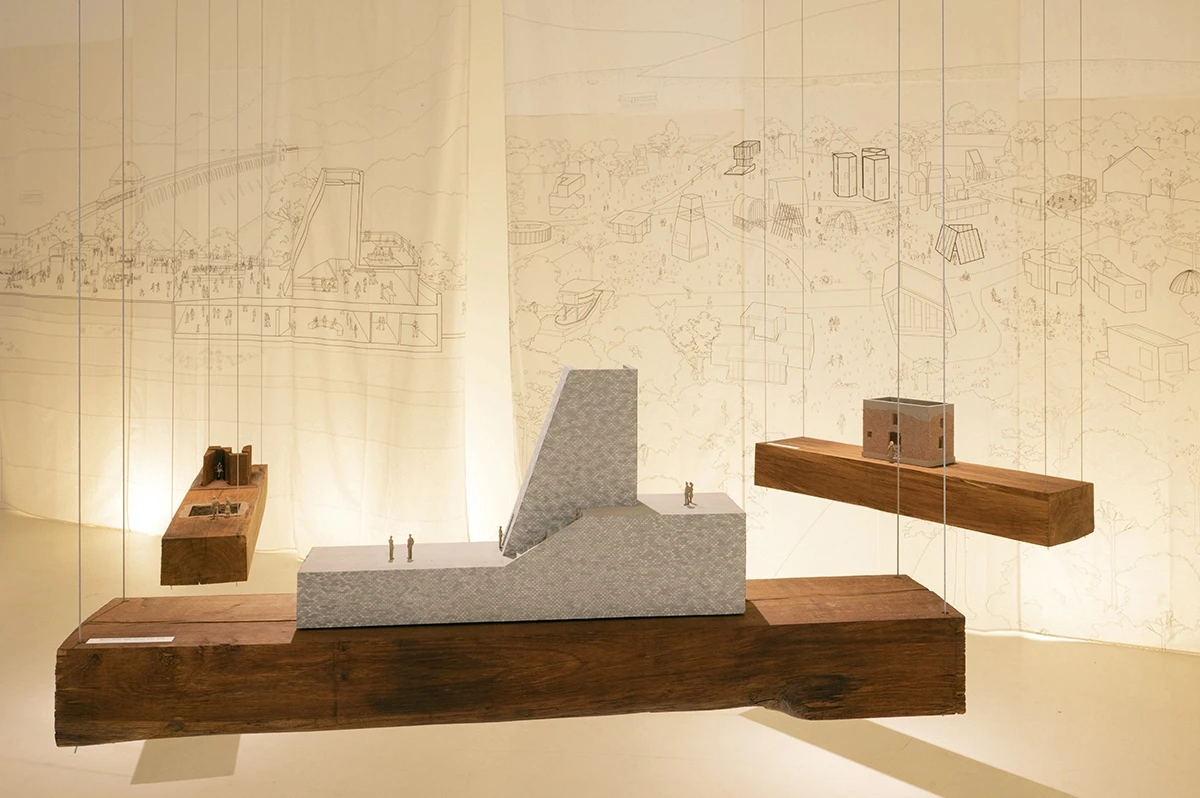
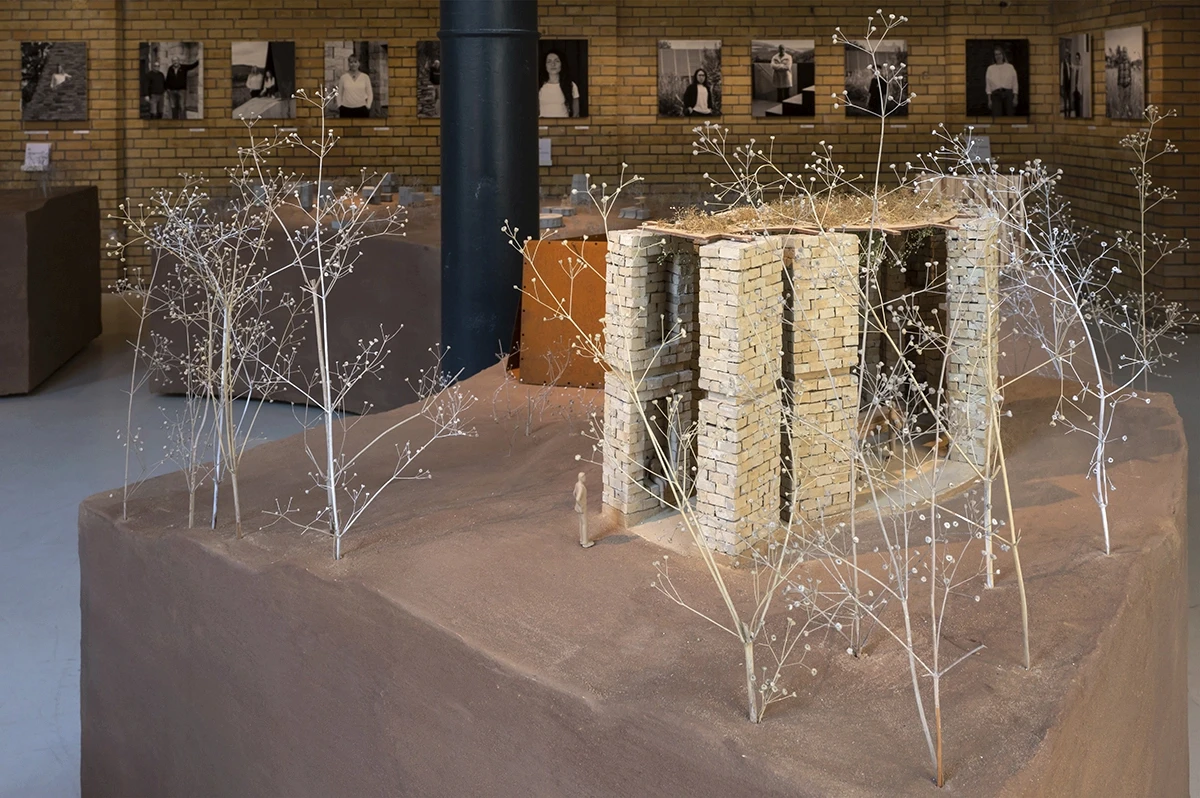
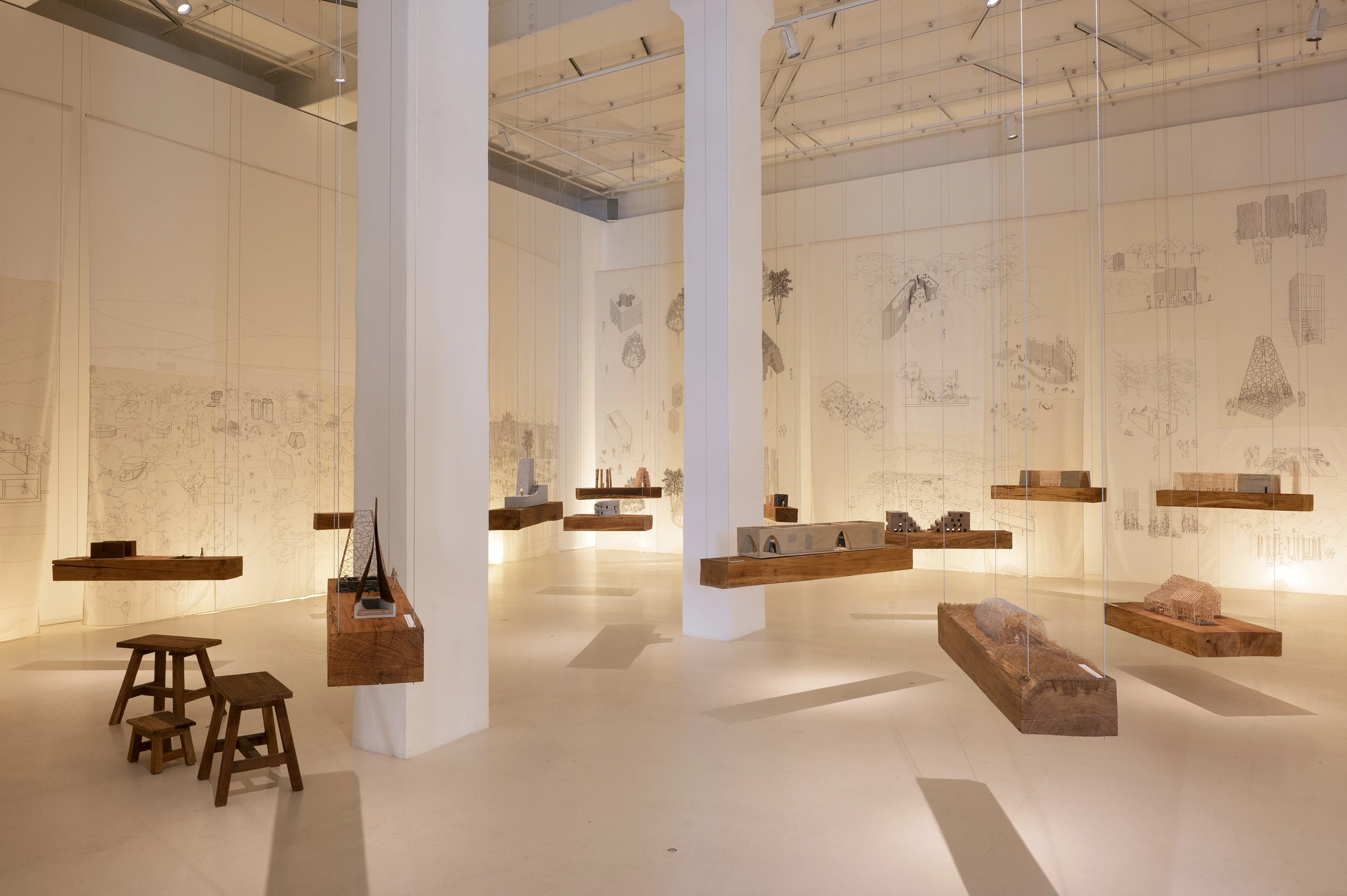
In the exhibition Rural Rebellion, our work was presented as an exploration of how rural areas can be rethought as spaces of cultural, ecological, and social transformation. The exhibition addressed the challenges of villages and landscapes by questioning and reinterpreting their traditional structures in unconventional ways. Christoph Hesse’s background, having grown up on a farm in the Hochsauerland region of Germany, formed an important reference point for the practice’s strong connection to nature and agricultural life. Structured around five central themes, Rural Rebellion presented a selection of spatial interventions through architectural models of realised projects and projects still under construction. These were complemented by large-format panoramic drawings on linen banners, films, as well as portrait photographs and statements by the “Rural Rebels”, offering insight into both the visions and working methods behind the projects. The exhibition illustrated how the presented works created social, environmental, and economic focal points, enabling future-oriented transformation processes. Rather than treating rural regions as peripheral, Rural Rebellion framed them as spaces of potential, experimentation, and innovation, highlighting their relevance for coming generations. The exhibition was structured into five thematic fields: Perspective Changing The Open Mind Places, a series of twelve installations developed together with the Rural Rebels from Referinghausen in the Sauerland region, opened new perspectives on rural landscapes and strengthened collective self-efficacy. Visionary Seeding Projects such as the House of Knowledge in Xinyang, China, and Circle of Life in AlUla, Saudi Arabia, focused on reconnecting people with nature and conveying knowledge about regenerative agriculture. Collaborative Growing International collaborations demonstrated how global partnerships could lead to local solutions. Examples included the Ways of Life project at Lake Edersee, the Garden House in Bad Wildungen, and the Mosque of Nature in Cairo. Resourceful Pioneering The Rural Rebels from Titmaringhausen in the Sauerland region pursued strategies of sustainable transformation. The self-sustaining Villa F represented a model for a CO₂-neutral lifestyle, independent from fossil energy sources. Regenerative Harvesting This theme contrasted conventional resource extraction with an approach focused on taking only what could regrow. Projects such as the Siebenhof Farm in Ginseldorf showed how regenerative principles supported ecological renewal while also functioning as a social anchor for community life.