STRAW THERMAE
STRAW THERMAE
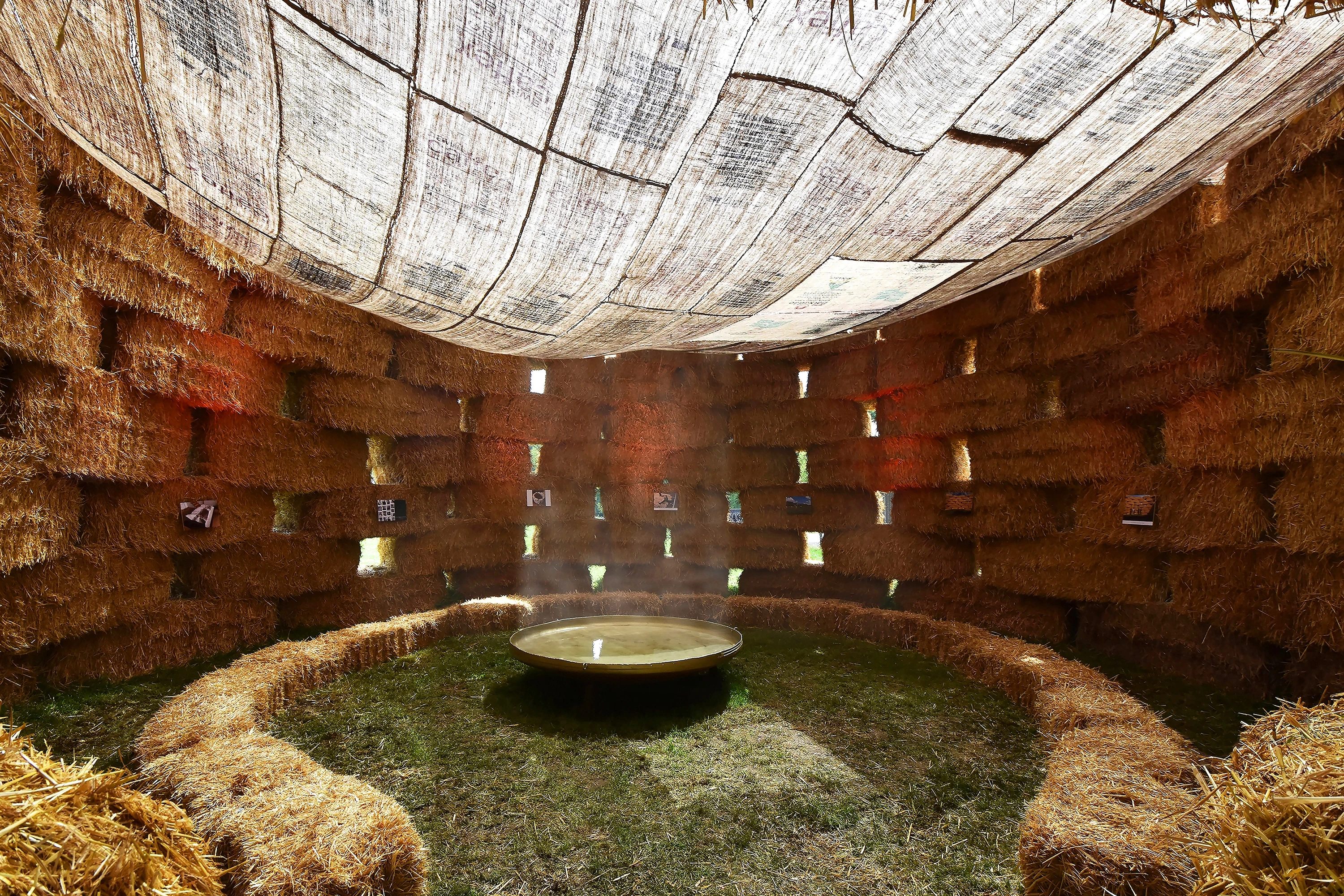
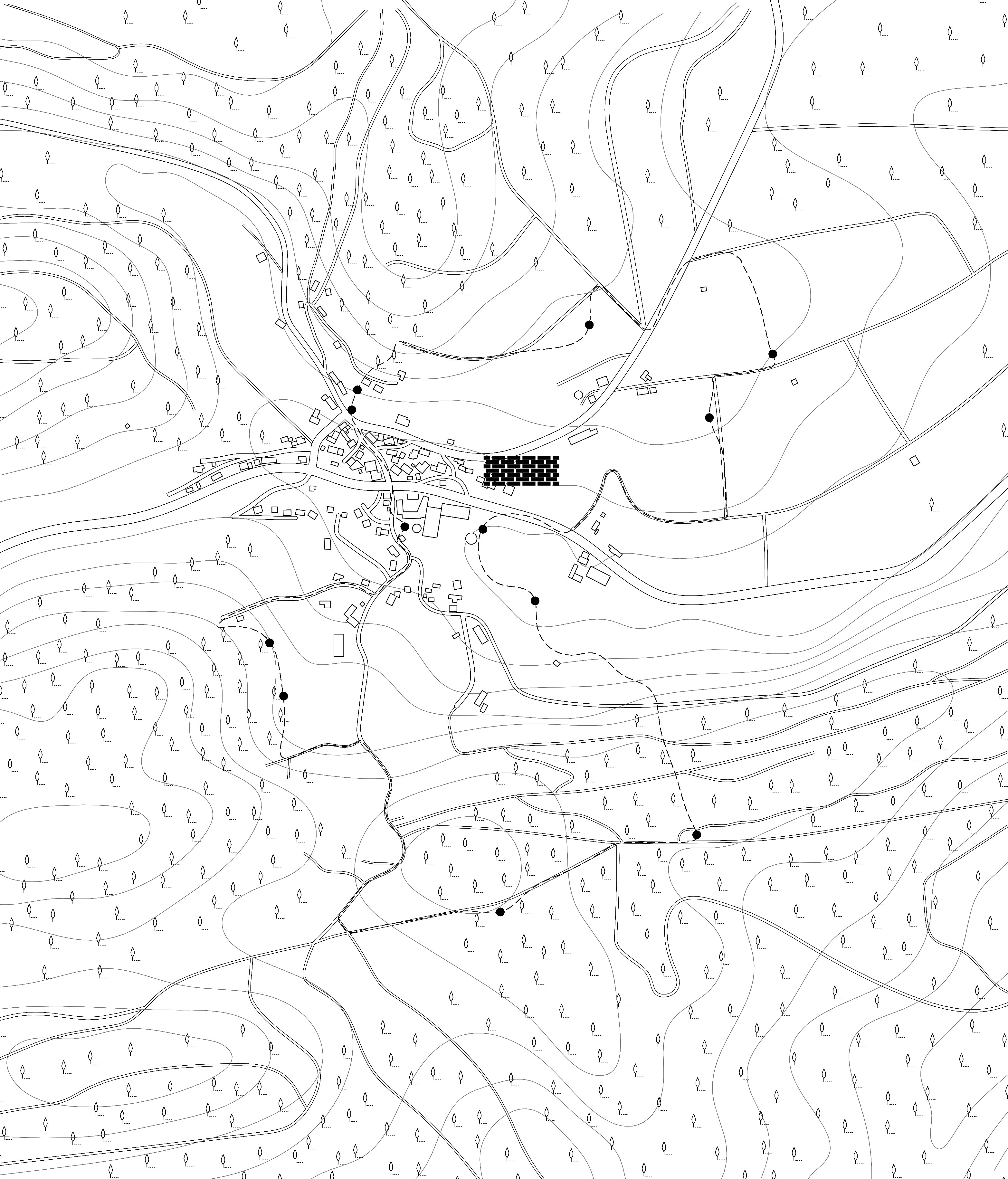
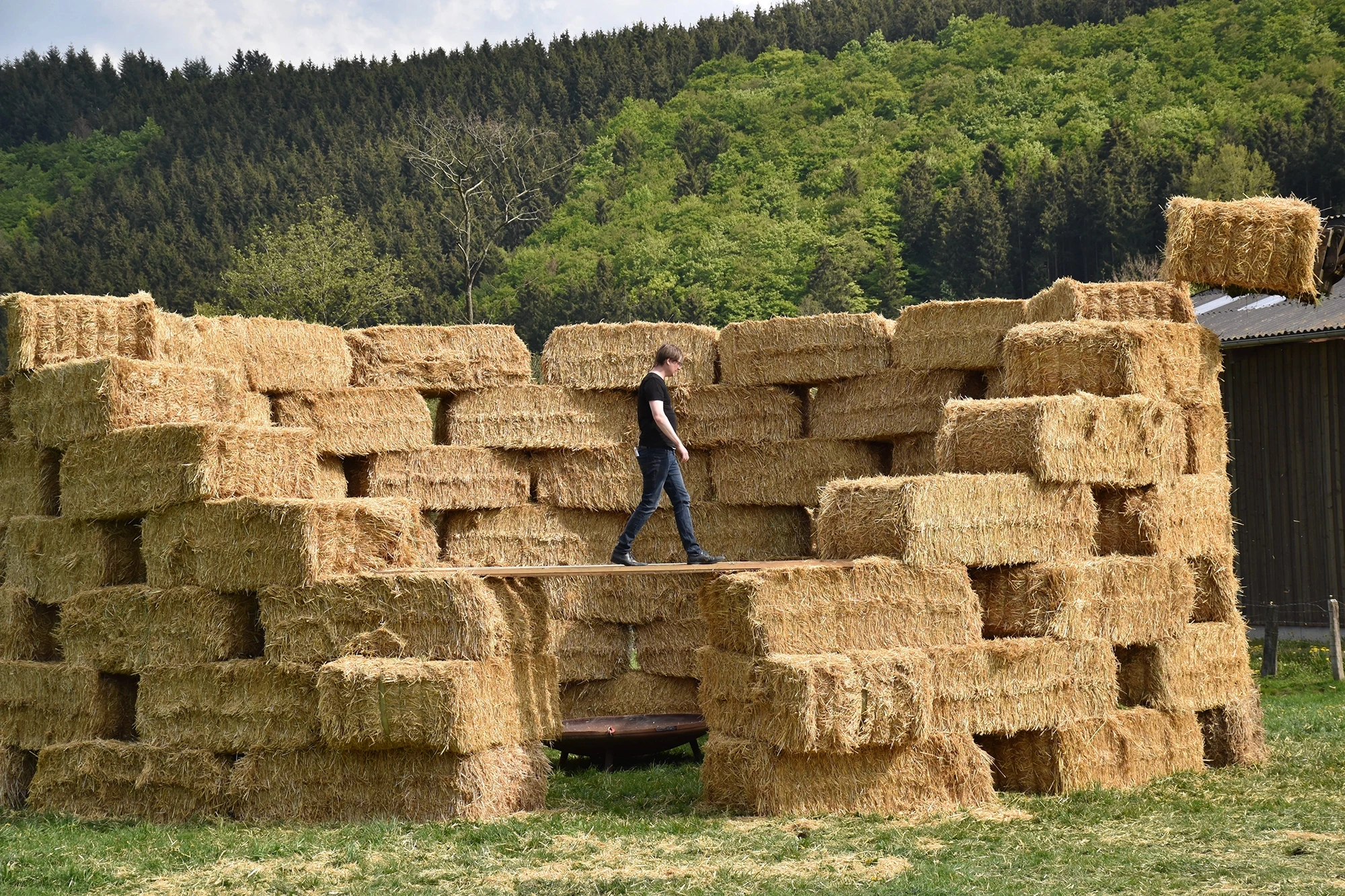
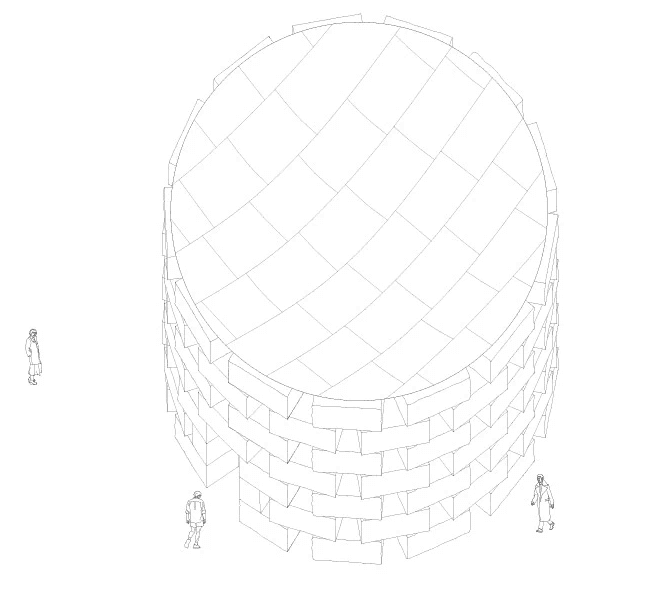
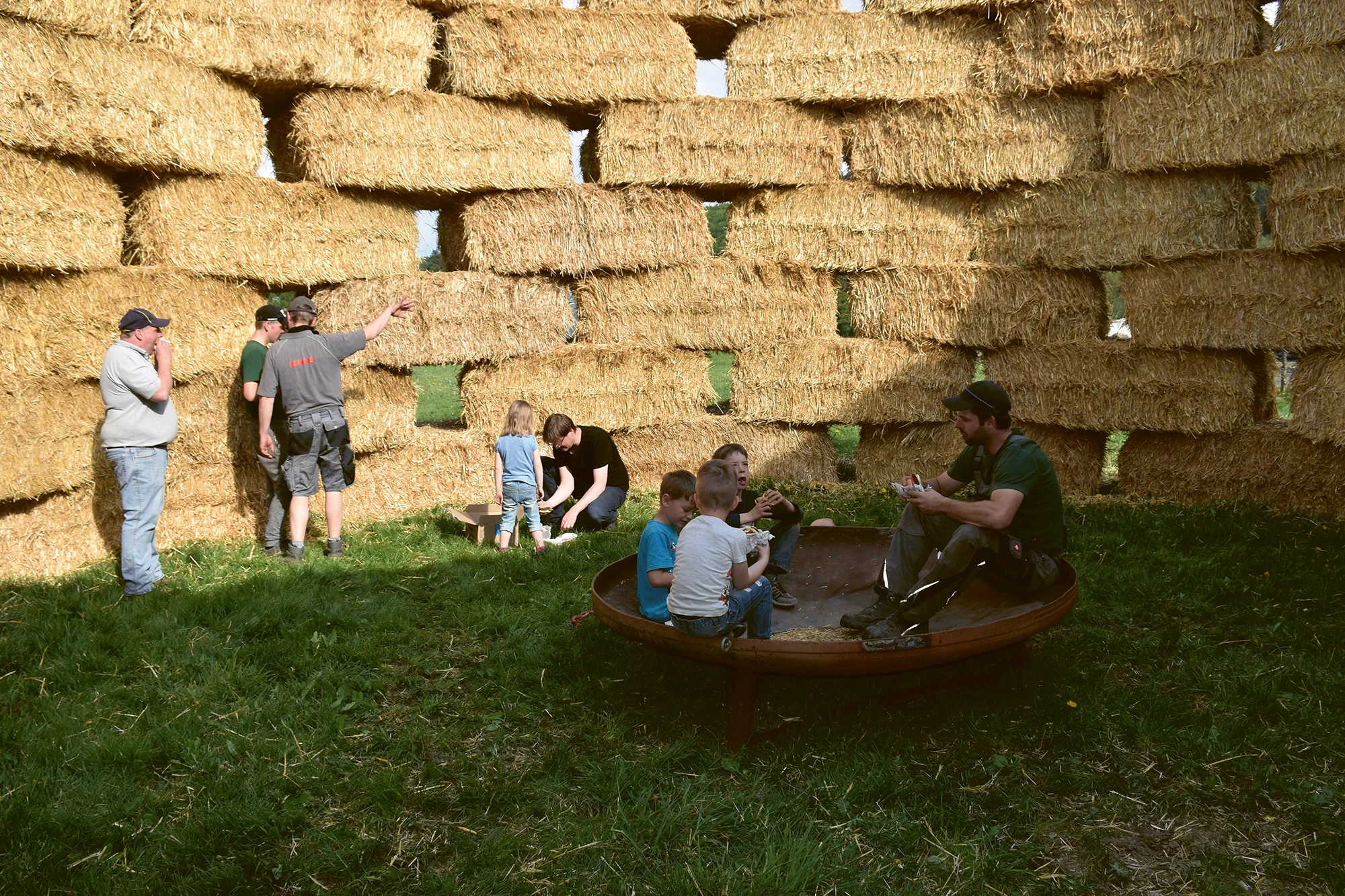
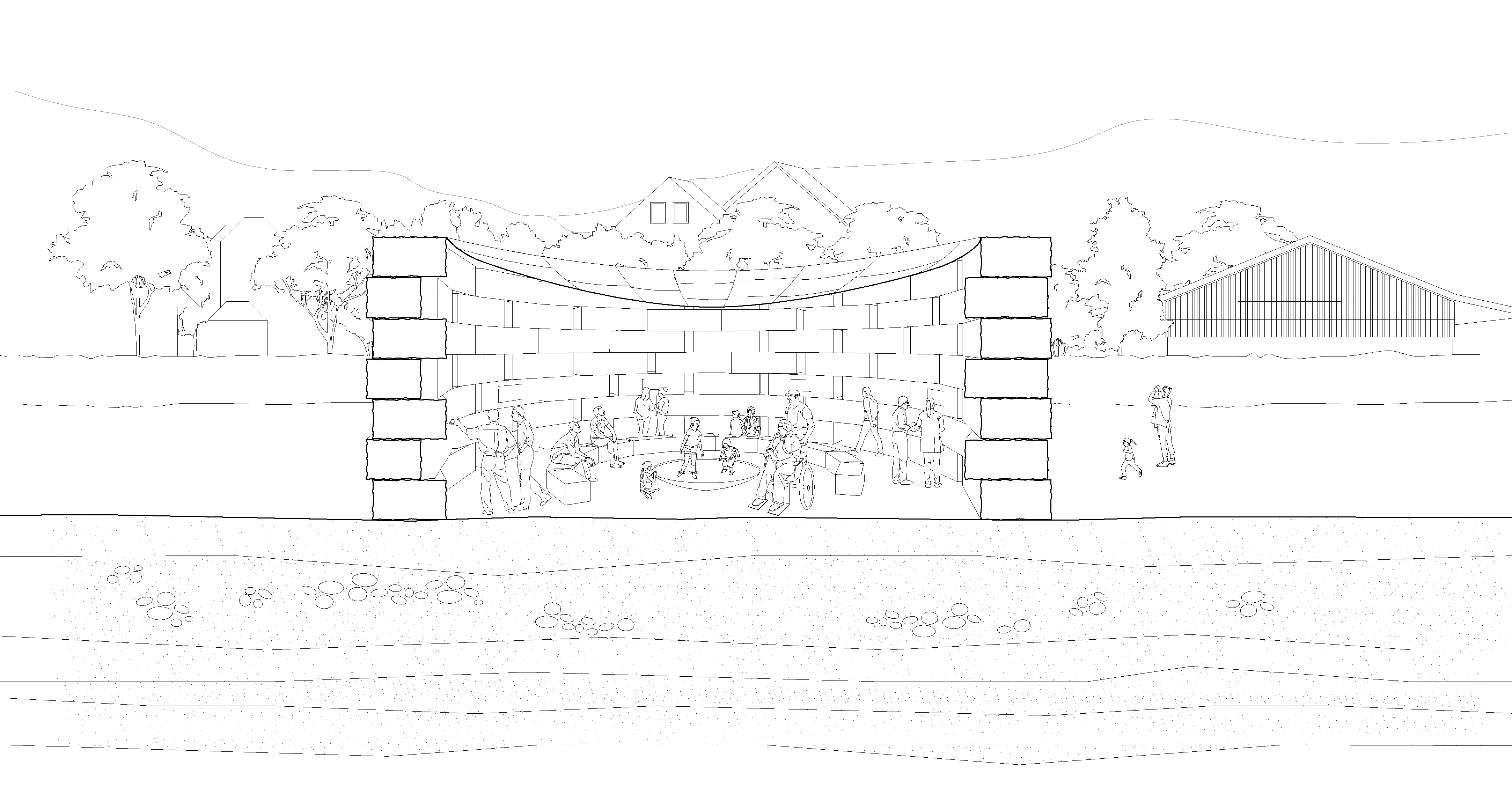
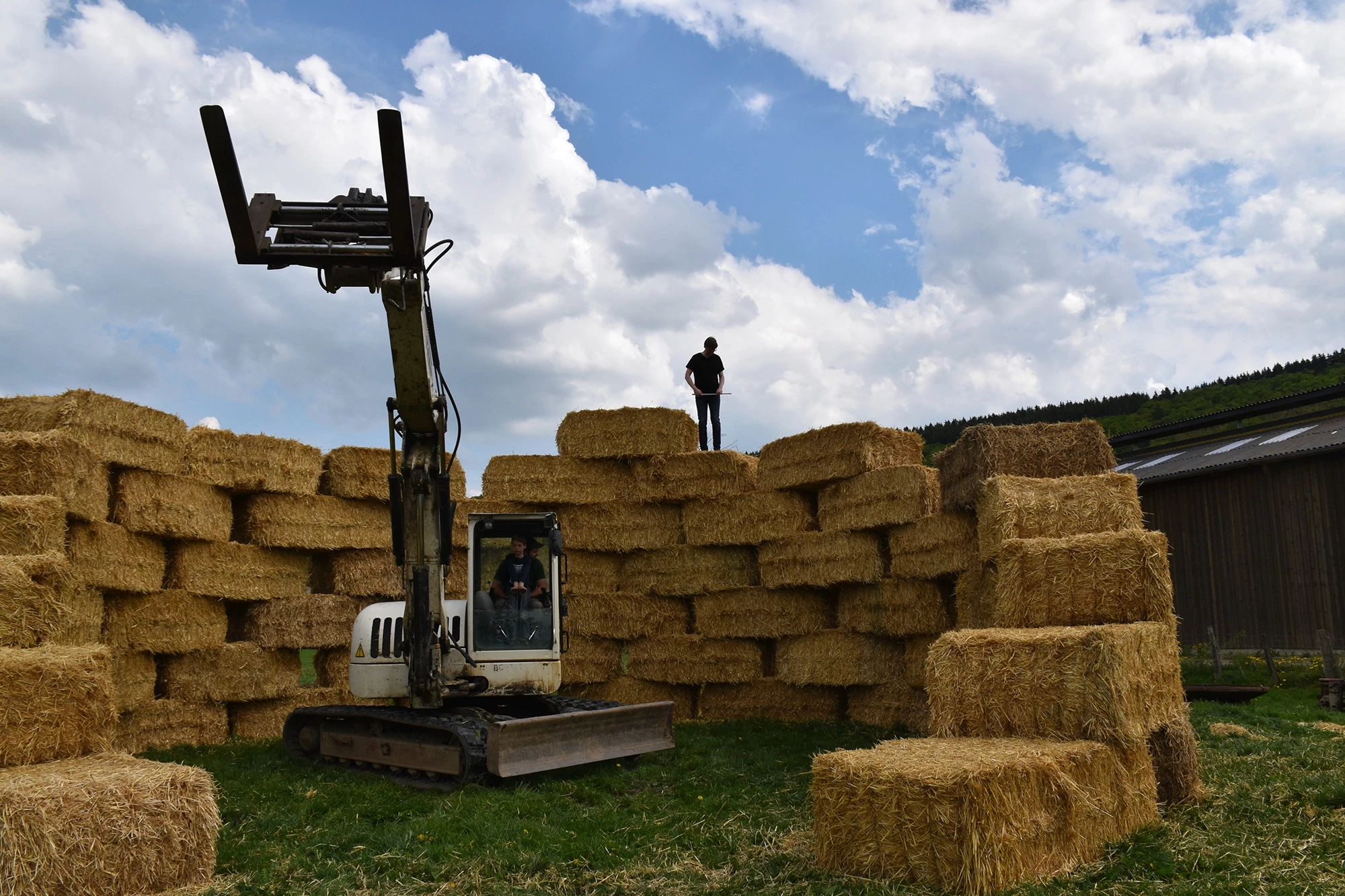
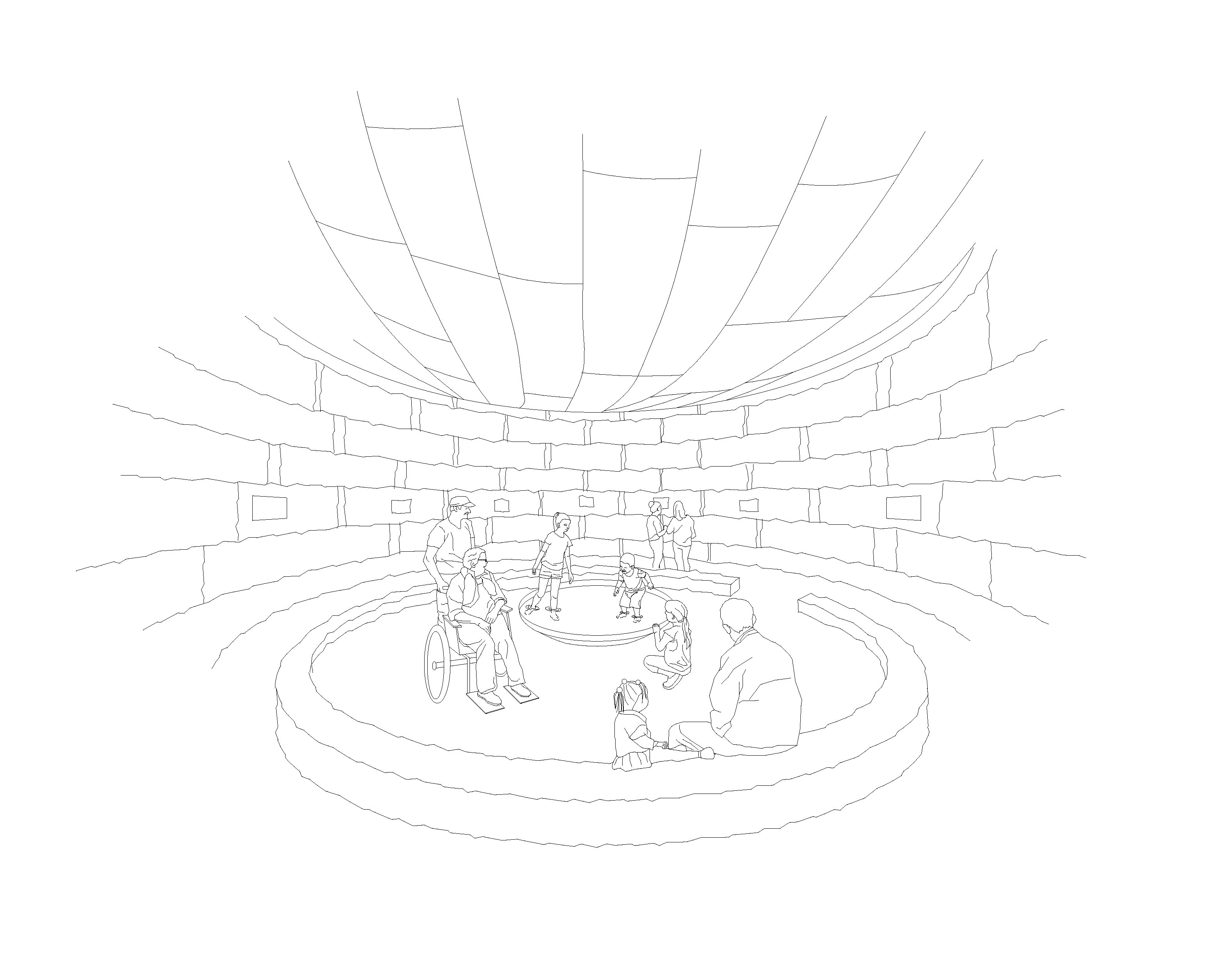
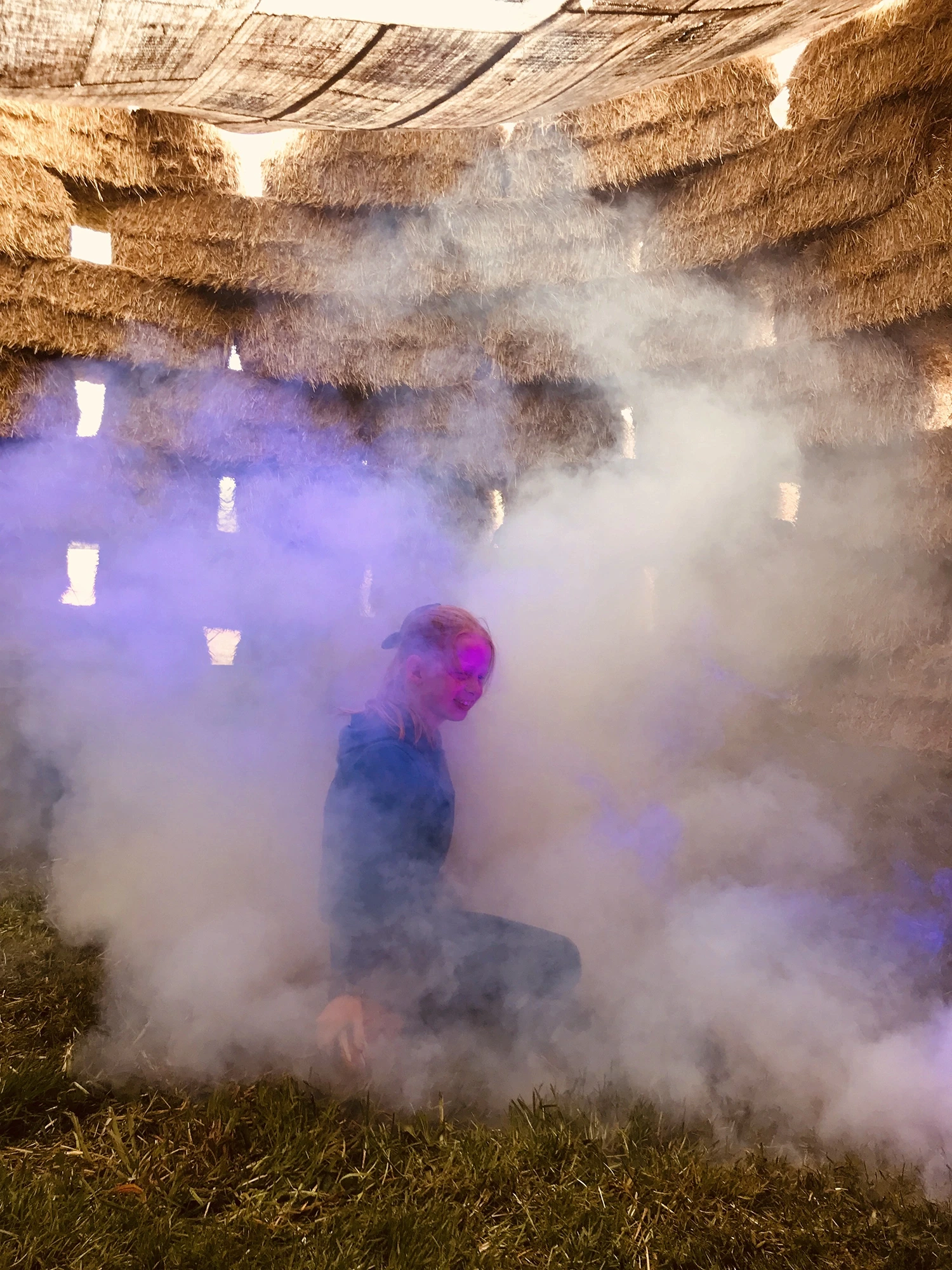
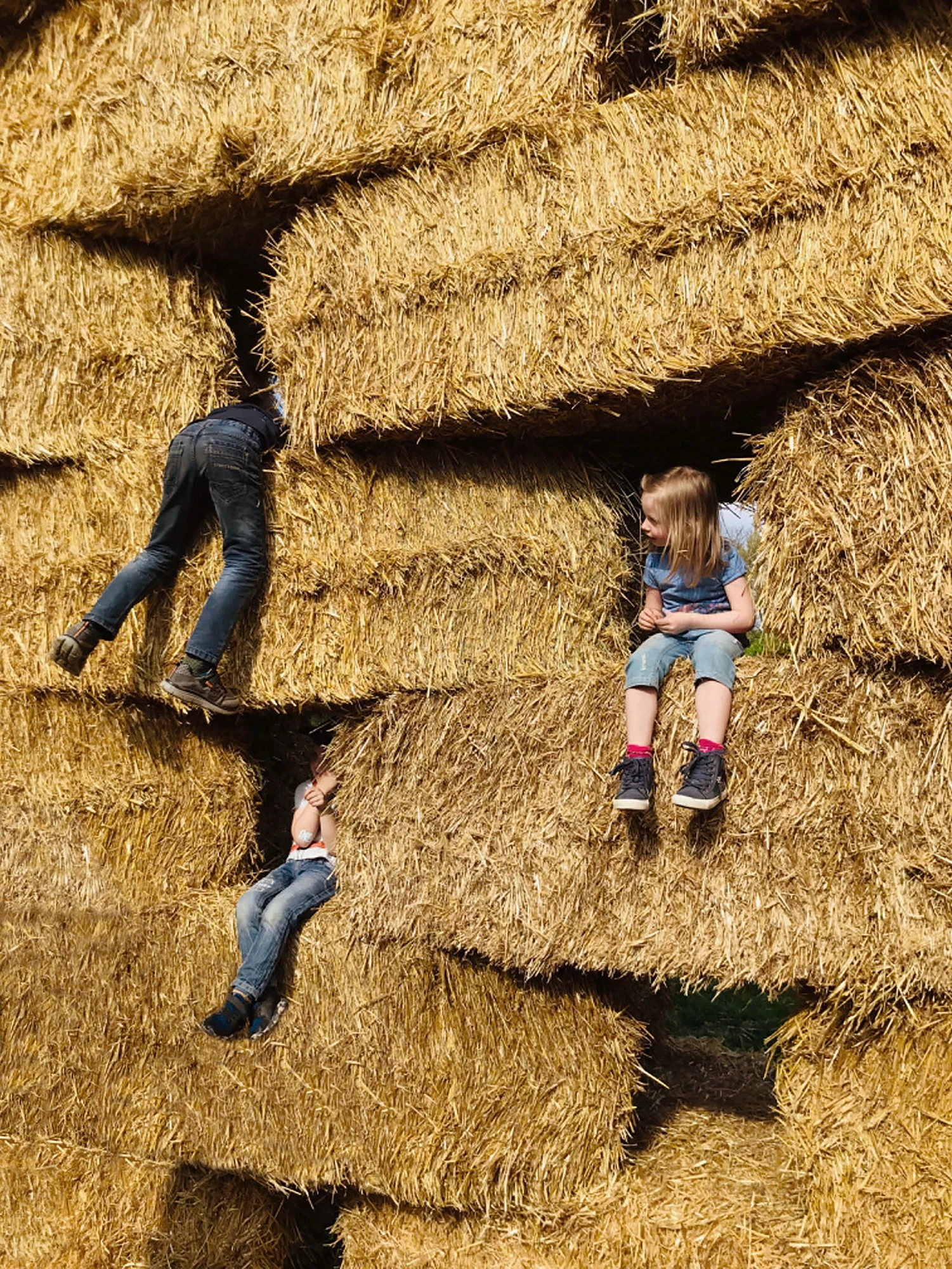
The Straw Thermae pavilion celebrates a significant milestone in the history of Referinghausen, in the Sauerland region of Germany. During its 750th anniversary in the summer of 2019, the community showcased its achievement of energy independence from the global market. This transformation was made possible by a self-built local heating grid network, connected to an organic waste-powered biogas plant in the neighboring village. As a result, the village has reduced energy costs by 50% and eliminated CO₂ emissions entirely. At the heart of the pavilion lies a steel basin filled with hot water, symbolizing the energy that powers the community. Surrounding it, straw serves as a metaphor for the biomass used to generate this sustainable energy source. Hundreds of visitors came to the pavilion to explore and discuss green energy solutions, exchanging ideas on how the Referinghausen model could be adapted for other communities. These discussions were inspired by the village’s “energy history,” which highlights its journey toward sustainability: 1200–1950: A self-sufficient farming community relying on wood from local forests for heat. 1950–today: Passive consumers dependent on global energy suppliers, using gas and fuel oil. Today onwards: An active, decentralized community heating network powered by organic waste and biogas. The Straw Thermae pavilion stands as a symbol of Referinghausen’s ecological innovation, inspiring others to embrace a greener future.
The Straw Thermae pavilion celebrates a significant milestone in the history of Referinghausen, in the Sauerland region of Germany. During its 750th anniversary in the summer of 2019, the community showcased its achievement of energy independence from the global market. This transformation was made possible by a self-built local heating grid network, connected to an organic waste-powered biogas plant in the neighboring village. As a result, the village has reduced energy costs by 50% and eliminated CO₂ emissions entirely. At the heart of the pavilion lies a steel basin filled with hot water, symbolizing the energy that powers the community. Surrounding it, straw serves as a metaphor for the biomass used to generate this sustainable energy source. Hundreds of visitors came to the pavilion to explore and discuss green energy solutions, exchanging ideas on how the Referinghausen model could be adapted for other communities. These discussions were inspired by the village’s “energy history,” which highlights its journey toward sustainability: 1200–1950: A self-sufficient farming community relying on wood from local forests for heat. 1950–today: Passive consumers dependent on global energy suppliers, using gas and fuel oil. Today onwards: An active, decentralized community heating network powered by organic waste and biogas. The Straw Thermae pavilion stands as a symbol of Referinghausen’s ecological innovation, inspiring others to embrace a greener future.
Location
Referinghausen, Sauerland, Germany
Typology
Installation
Client
Referinghausen e.V.
Area
120 sqm
Year
2019
Status
Completed (Temporary installation in May 2019)
Material
Straw, steel, textile
Collaboration
Local community
Photographer
Thomas Baron, Christoph Hesse Architects
Video Credit
STRAW THERMAE
STRAW THERMAE
The Straw Thermae pavilion celebrates a significant milestone in the history of Referinghausen, in the Sauerland region of Germany. During its 750th anniversary in the summer of 2019, the community showcased its achievement of energy independence from the global market. This transformation was made possible by a self-built local heating grid network, connected to an organic waste-powered biogas plant in the neighboring village. As a result, the village has reduced energy costs by 50% and eliminated CO₂ emissions entirely. At the heart of the pavilion lies a steel basin filled with hot water, symbolizing the energy that powers the community. Surrounding it, straw serves as a metaphor for the biomass used to generate this sustainable energy source. Hundreds of visitors came to the pavilion to explore and discuss green energy solutions, exchanging ideas on how the Referinghausen model could be adapted for other communities. These discussions were inspired by the village’s “energy history,” which highlights its journey toward sustainability: 1200–1950: A self-sufficient farming community relying on wood from local forests for heat. 1950–today: Passive consumers dependent on global energy suppliers, using gas and fuel oil. Today onwards: An active, decentralized community heating network powered by organic waste and biogas. The Straw Thermae pavilion stands as a symbol of Referinghausen’s ecological innovation, inspiring others to embrace a greener future.
Location
Referinghausen, Sauerland, Germany
Typology
Installation
Client
Referinghausen e.V.
Area
120 sqm
Year
2019
Status
Completed (Temporary installation in May 2019)
Material
Straw, steel, textile
Collaboration
Local community
Photographer
Thomas Baron, Christoph Hesse Architects
Video Credit